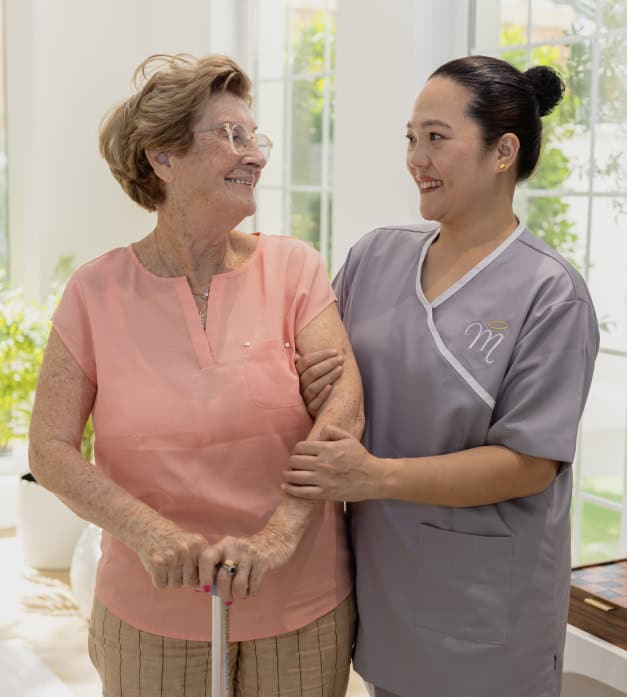
An unexpected fall can change an older adult’s daily routine, confidence, and independence. Familiar rooms sometimes hide risks, including loose rugs, poor lighting, and slippery floors. In home care, attentive support helps seniors move safely while preserving dignity.
Reliable elderly home care helps families reduce household hazards, monitor mobility, and support safer daily activities through practical assistance and consistent supervision.
Spotting household hazards
Loose carpets, cluttered hallways, exposed cables, and wet bathroom floors increase accident risk. In-home caregivers inspect these areas and help families remove potential dangers. They keep walking paths clear, secure rugs, and recommend grab bars near toilets and showers.
Simple changes, such as placing lamps beside beds and adding non-slip mats, help seniors move around their homes with greater confidence and stability.
Supporting safe movement
Age-related changes in balance, muscle strength, vision, and coordination make everyday movements challenging. Caregivers help seniors stand, sit, walk, and use stairs. They encourage suitable footwear with firm soles and good grip.
When a senior uses a cane or walker, caregivers check that it’s used properly and is in good condition. They also allow enough time during transfers, helping older adults avoid sudden movements that may cause dizziness or loss of balance.
Monitoring health and mobility
Certain medicines, dehydration, fatigue, and sudden blood pressure changes may increase fall risk. In-home caregivers watch for signs such as unusual weakness, dizziness, confusion, or unsteady walking. They inform family members about concerning changes and encourage medical advice when symptoms arise.
Caregivers also support regular meals, adequate water intake, and prescribed exercise routines. These daily habits help seniors maintain strength, alertness, and physical stability.
Building confidence through daily routines
Fear of falling may cause older adults to avoid walking, exercise, or ordinary household activities. Caregivers offer reassurance while encouraging safe movement suited to each senior’s abilities. They provide support during short walks, help seniors reach essential household items, and keep frequently used belongings within comfortable reach.
Consistent routines also help seniors recognize familiar surroundings and move through daily tasks with greater confidence and less unnecessary risk.
Working with families and healthcare professionals
Families and caregivers achieve better safety outcomes through open communication. They discuss previous falls, mobility concerns, medication changes, and recommendations made by healthcare professionals.
A physiotherapist may suggest balance exercises, while an occupational therapist may recommend home modifications. Caregivers follow agreed instructions and report new concerns promptly. This shared approach helps families respond to changing abilities and maintain a safer living environment.